
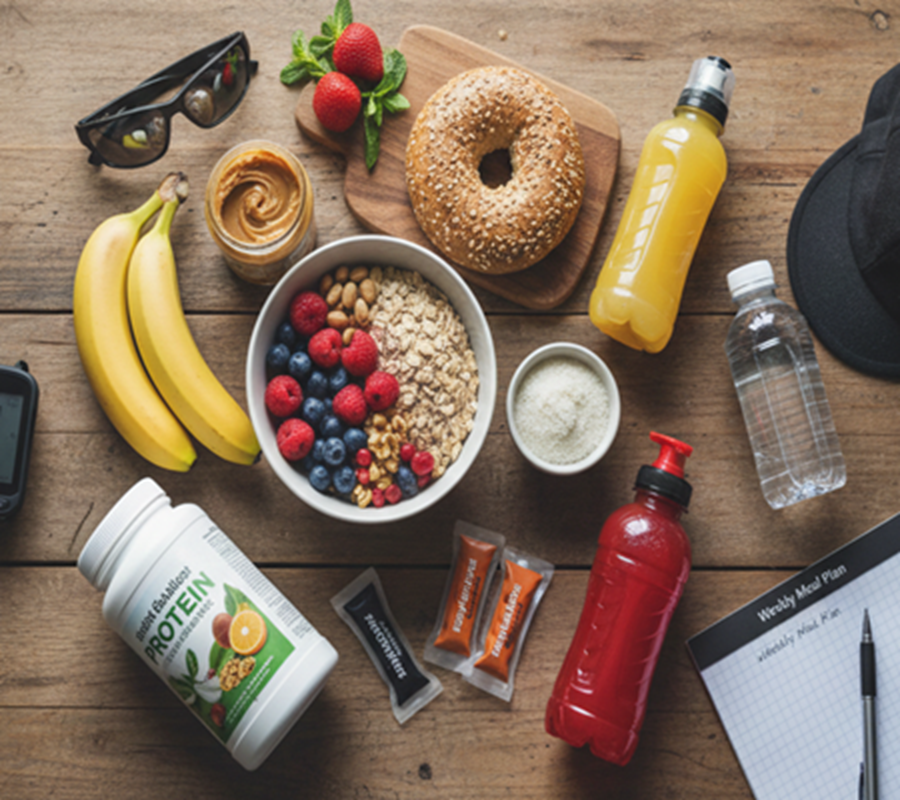
Endurance cycling nutrition requires 5-8g of carbohydrates per kg of bodyweight daily during training, 1.6-2.2g of protein per kg for recovery, and strategic in-ride fueling of 60-90g of carbohydrates per hour for rides exceeding 90 minutes. Proper nutrition timing—including carbohydrate periodization during base training, complete fueling before high-intensity sessions, and consuming 20-40g of protein within 2 hours post-ride—optimizes both workout quality and physiological adaptation while preventing the catastrophic performance decline that results from glycogen depletion.
Why Nutrition Matters for Endurance Cyclists
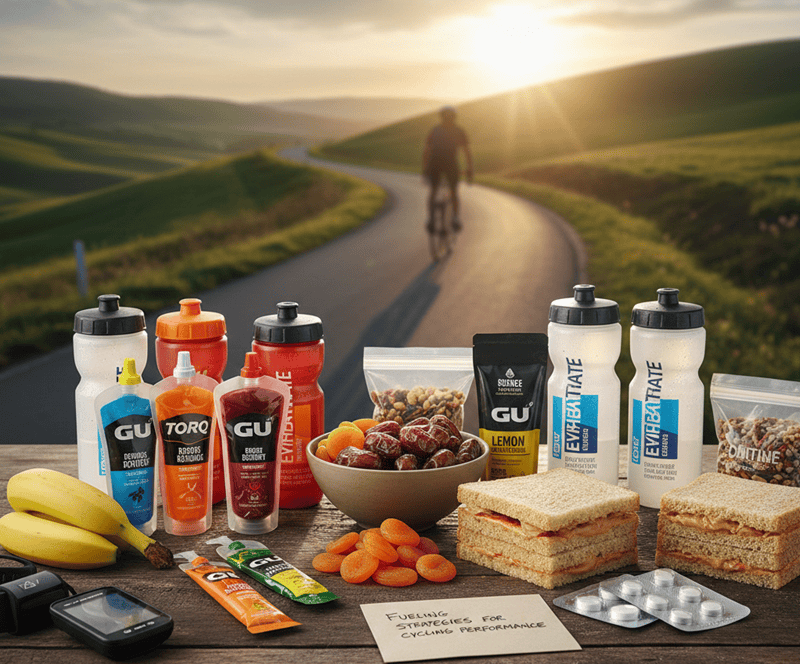
Cycling demands substantial energy expenditure—2,000-4,000+ calories during century rides and gran fondos, 600-1,000 calories hourly during threshold intervals and race efforts. Without strategic fueling, glycogen depletion forces dramatic intensity reduction as your body shifts from efficient carbohydrate metabolism to slower fat oxidation inadequate for maintaining race pace.
Performance Impact: Research demonstrates that carbohydrate availability directly determines sustainable power output above Zone 2 intensity. Athletes consuming adequate carbohydrates maintain FTP-level efforts 40-60 minutes longer than those training or racing in glycogen-depleted states. For time trials, climbing, and competitive racing where sustained threshold power determines results, nutrition becomes the difference between achieving goals and suffering through final miles.
Training Adaptation: Nutrition timing influences physiological adaptations from training stress. Strategic carbohydrate periodization—training some sessions low-carb to enhance fat oxidation, others fully-fueled to maximize workout quality—produces superior fitness gains versus random eating patterns.
Macronutrient Requirements for Endurance Training
Carbohydrates: Primary Fuel Source
Carbohydrates provide the most efficient energy for moderate to high-intensity cycling. Your body stores approximately 400-600g glycogen (1,600-2,400 calories) in muscles and liver—sufficient for 90-120 minutes of Zone 2 riding or 60-90 minutes of threshold work before depletion compromises performance.
Daily Intake Guidelines:
Base Training / Low-Intensity Days: 5-7g carbohydrates per kg bodyweight. For a 70kg cyclist: 350-490g daily. Emphasizes steady energy availability without excessive calorie surplus.
Build Phase / High-Intensity Days: 7-10g per kg bodyweight. Same 70kg athlete: 490-700g daily. Higher intake supports glycogen replenishment after demanding intervals and VO2max sessions.
Race Day / Long Endurance Rides: 10-12g per kg bodyweight across multiple meals and on-bike fueling. Maximizes glycogen stores before events while replacing depleted stores during extended efforts.
Carbohydrate Sources: Whole grains (oats, rice, quinoa), fruits, vegetables, potatoes, pasta provide sustained energy. During rides: sports drinks, gels, bars, dried fruit, rice cakes offer rapidly-absorbed simple carbohydrates maintaining blood glucose and sparing muscle glycogen.
Protein: Recovery and Adaptation
Protein supports muscle protein synthesis, immune function, and adaptation to training stress. Endurance cyclists require more protein than sedentary individuals due to exercise-induced muscle damage and continuous tissue remodeling.
Daily Intake: 1.6-2.2g protein per kg bodyweight. A 70kg cyclist needs 112-154g daily distributed across 4-5 meals for optimal absorption and synthesis rates.
Timing Strategy:
- Post-Workout (0-2 hours): 20-40g protein maximizes recovery, particularly after high-intensity intervals and long endurance rides exceeding 2 hours
- Pre-Sleep: 30-40g slow-digesting protein (casein) supports overnight muscle repair during critical recovery window
- Throughout Day: Distribute remaining intake across breakfast, lunch, snacks maintaining positive nitrogen balance
Protein Sources: Lean meats (chicken, turkey, fish), eggs, Greek yogurt, cottage cheese, legumes, whey/plant-based protein powders provide complete amino acid profiles supporting recovery.
Fats: Sustained Energy and Hormonal Health
Dietary fat provides sustained energy for Zone 2 training, supports hormone production (including testosterone crucial for muscle development and recovery), enhances absorption of fat-soluble vitamins, and supplies essential fatty acids.
Daily Intake: 1.0-1.5g per kg bodyweight, representing 20-30% of total calories. Focus on unsaturated fats (olive oil, avocados, nuts, fatty fish) while limiting saturated fat intake.
Timing Considerations: Avoid high-fat meals immediately before intervals or races—fat slows gastric emptying causing digestive discomfort during high-intensity efforts. Reserve fat intake for recovery meals and base training days when digestive demands are lower.
Hydration Strategies
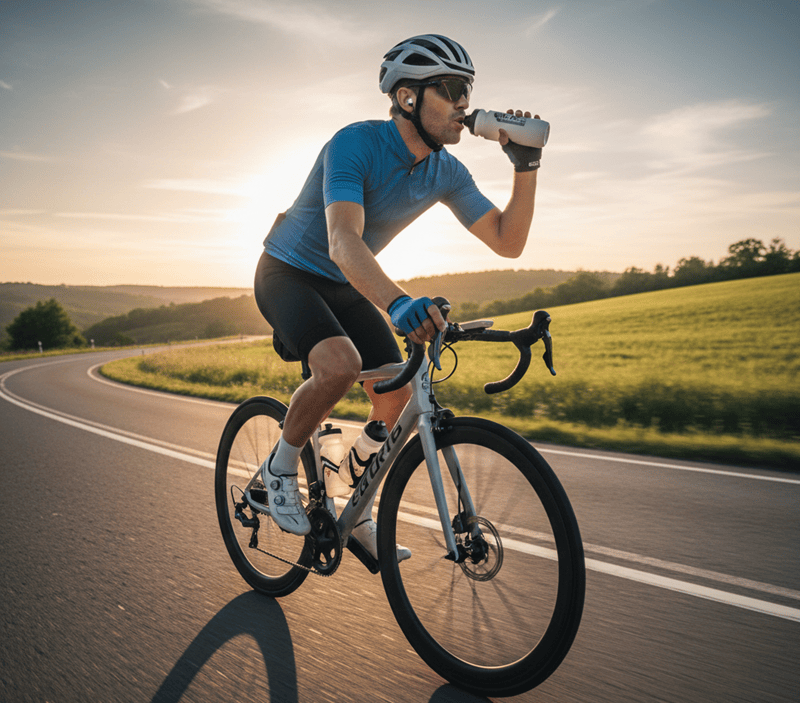
Dehydration as small as 2% bodyweight significantly impairs endurance performance, reducing power output, increasing perceived exertion, and elevating core temperature. Proper hydration maintains blood plasma volume, enabling efficient cardiovascular function and thermoregulation during extended rides.
Daily Hydration
Baseline Intake: 30-40ml per kg bodyweight daily. A 70kg cyclist needs 2.1-2.8 liters minimum, increasing substantially during training days and hot weather.
Monitoring Status: Urine color indicates hydration—pale yellow suggests adequate intake; dark yellow/amber indicates dehydration requiring increased fluid consumption.
Electrolytes: Sodium, potassium, magnesium, and calcium losses through sweat require replacement during extended training. Add electrolyte tablets or powders to water bottles during rides exceeding 90 minutes, particularly in heat.
During-Ride Hydration
Intake Rate: 500-750ml per hour adjusted for:
- Temperature (increase in heat)
- Intensity (threshold work elevates sweat rate)
- Individual sweat rate (varies dramatically between athletes)
Sweat Rate Testing: Weigh yourself before and after 60-minute hard ride. Weight loss (in grams) equals sweat rate per hour. Example: 1kg loss = 1,000ml hourly sweat rate requiring replacement through drinking.
Electrolyte Concentration: Sports drinks containing 300-700mg sodium per liter prevent hyponatremia (dangerously low blood sodium) during ultra-endurance events while enhancing fluid absorption and retention.
Practical Execution: Drink small amounts (100-150ml) every 10-15 minutes rather than large volumes infrequently. Consistent intake maintains hydration without gastrointestinal distress from overloading stomach capacity.
Race Day and Long Ride Nutrition
Pre-Ride Fueling
3-4 Hours Before: Consume substantial meal providing 2-4g carbohydrates per kg bodyweight. A 70kg cyclist eats 140-280g carbs (560-1,120 calories). Moderate protein (20-30g), low fat and fiber minimizing digestive issues.
Example Pre-Race Breakfast: Oatmeal with banana and honey, white toast with jam, orange juice. Avoids high-fiber, high-fat foods causing digestive discomfort during hard efforts.
30-60 Minutes Before: Optional small carbohydrate snack (30-60g) if feeling low energy. Sports drink, gel, or easily-digested fruit provides quick glucose availability without gastrointestinal burden.
During-Ride Fueling for Endurance Events
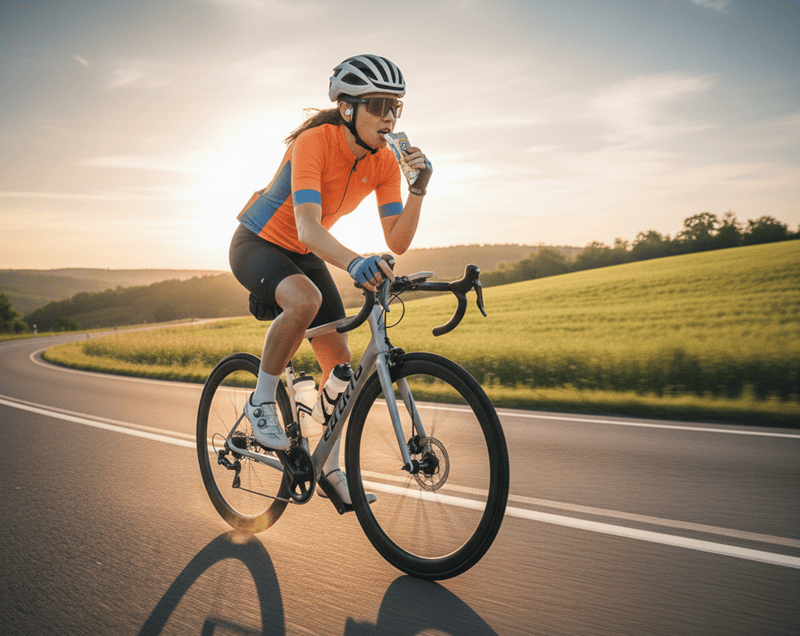
Carbohydrate Intake: 60-90g per hour maintains blood glucose and delays glycogen depletion. Well-trained athletes with practiced nutrition tolerate up to 90-120g hourly through multiple carbohydrate sources (glucose + fructose combinations enhance absorption).
Fueling Options:
Sports Drinks: 30-60g carbohydrates per bottle plus electrolytes. Convenient hydration and fuel combined. Brands like SIS, Skratch Labs, Maurten optimize absorption.
Energy Gels: 20-30g carbohydrates per gel, rapid absorption, portable packaging. Consume every 30-45 minutes during threshold efforts or climbing. Chase with water preventing stomach upset from concentrated solutions.
Energy Bars: 30-40g carbohydrates, slower digestion, provides satiety during long rides. Works well during Zone 2 portions of gran fondos and century rides.
Real Food: Bananas, rice cakes with jam, fig bars, dates offer whole-food alternatives. Many cyclists prefer real food during base training rides, reserving gels for race intensity efforts.
Caffeine: 3-6mg per kg bodyweight (210-420mg for 70kg cyclist) improves endurance, reduces perceived exertion, enhances mental focus. Consume 60 minutes before hard efforts or during challenging climbs. Sources: coffee pre-ride, caffeine gels during events.
Post-Ride Recovery Nutrition
0-30 Minutes (Critical Window): Consume 1.0-1.2g carbohydrates per kg bodyweight plus 20-40g protein. This timing maximizes glycogen resynthesis rates and initiates muscle protein synthesis.
Recovery Meal Example: Chocolate milk (convenient carb + protein ratio), protein smoothie with fruit, turkey sandwich, Greek yogurt with granola and berries.
2-4 Hours Post-Ride: Full meal with substantial carbohydrates (2-3g per kg), complete protein source, vegetables providing micronutrients and antioxidants supporting recovery and immune function.
Periodizing Nutrition Through Training Phases
Base Training Nutrition
Zone 2 volume emphasizes fat oxidation adaptation—strategic low-carb training sessions enhance metabolic flexibility.
Low-Carb Training Sessions: 1-2 weekly fasted or glycogen-depleted Zone 2 rides (60-90 minutes, <65% FTP) train fat metabolism. Limit duration preventing excessive cortisol elevation and muscle catabolism.
High-Carb Training Days: Fuel long rides (3+ hours) adequately practicing race-day nutrition protocols. Your gut requires training adapting to process carbohydrates while riding—practice prevents race-day gastrointestinal disasters.
Build Phase Nutrition
High-intensity intervals demand full glycogen availability maximizing workout quality and power output.
Pre-Workout: Consume 1-2g carbs per kg bodyweight 2-3 hours before threshold or VO2max sessions ensuring adequate fuel for prescribed power targets.
Intra-Workout: Sports drink providing 30-60g carbohydrates hourly during intervals exceeding 90 minutes total duration.
Recovery Priority: Aggressive carbohydrate and protein intake within 2-hour window supporting adaptation from high training stress.
Race Week Nutrition
Carbohydrate Loading (2-3 Days Before): Increase carb intake to 10-12g per kg bodyweight while reducing training volume. Maximizes muscle and liver glycogen stores for race day.
Race Morning: Proven pre-race meal tested during training—never experiment with new foods before priority events. Eat 3-4 hours before start allowing complete digestion.
Common Nutrition Mistakes
Under-Fueling Training: Chronic energy deficit impairs workout quality, suppresses immune function, disrupts hormonal balance (particularly in female athletes), and prevents optimal adaptation despite consistent training stress.
Race-Day Experimentation: Using untested gels, bars, or drinks during events causes gastrointestinal distress ending performances prematurely. Practice all race nutrition during long training rides.
Inadequate Protein: Endurance athletes often under-consume protein relative to requirements. Insufficient intake compromises recovery, prolongs muscle soreness, and limits adaptation from training stress.
Poor Timing: Consuming large meals immediately before hard intervals or races causes digestive discomfort. Allow 2-3 hours digestion before high-intensity efforts.
Neglecting Hydration: Beginning rides dehydrated or failing to drink adequately during efforts impairs performance disproportionately. Establish drinking schedules maintaining consistent intake.
Supplements for Endurance Cyclists
Evidence-Based Options:
Creatine Monohydrate: 3-5g daily improves high-intensity repeatability, supports recovery, may enhance glycogen storage. Particularly beneficial for criterium racing and repeated efforts.
Beta-Alanine: 3-6g daily (split doses) buffers lactate, improving threshold and VO2max performance. Requires 4+ weeks loading before effects manifest.
Beetroot Juice/Nitrate: 500mg nitrate 2-3 hours pre-ride improves oxygen efficiency, particularly benefits time trials and threshold efforts.
Omega-3 Fatty Acids: 2-4g daily (EPA/DHA) reduces inflammation, supports cardiovascular health, may improve recovery.
Vitamin D: Many cyclists deficient, particularly during winter base training. Supplement 2,000-4,000 IU daily if blood levels suboptimal.
Probiotics: Support gut health and immune function, potentially reducing illness interrupting training consistency.
Optimize your training: Visit Base Training for volume strategies, then check Zone 2 for intensity guidance supporting nutritional protocols.
Download your free race-day nutrition calculator and fueling schedule template.
[GET FREE NUTRITION GUIDE] ← Lead magnet
Frequently Asked Questions About Cycling Nutrition
How many carbohydrates do I need for endurance cycling?
Carbohydrate needs vary by training intensity and volume. Base training requires 5-7g per kg bodyweight daily. High-intensity training days need 7-10g per kg. Race days and long endurance rides require 10-12g per kg plus 60-90g hourly during rides exceeding 90 minutes. A 70kg cyclist needs 350-490g daily during base training, increasing to 700g on hard training days. Practice race-day nutrition during training—your gut requires adaptation to process carbohydrates while riding.
What should I eat before a long ride or race?
Consume 2-4g carbohydrates per kg bodyweight 3-4 hours before rides—a 70kg cyclist eats 140-280g carbs. Choose easily-digested foods like oatmeal with banana, white toast with jam, or rice with minimal fat and fiber to prevent digestive issues. Optional small carbohydrate snack (30-60g) 30-60 minutes before start if feeling low energy. Never experiment with new foods before priority events—use only tested pre-ride meals.
How much protein do endurance cyclists need?
Endurance cyclists require 1.6-2.2g protein per kg bodyweight daily—significantly more than sedentary individuals. A 70kg cyclist needs 112-154g daily distributed across 4-5 meals. Consume 20-40g protein within 2 hours post-ride maximizing recovery, particularly after high-intensity intervals and rides exceeding 2 hours. Pre-sleep protein (30-40g slow-digesting casein) supports overnight muscle repair during critical recovery windows.
Should I train fasted to improve fat burning?
Strategic fasted training (1-2 weekly Zone 2 rides, 60-90 minutes maximum at under 65% FTP) can enhance fat oxidation adaptations. However, balance low-carb sessions with well-fueled long rides and high-intensity workouts. Chronic under-fueling impairs training quality, suppresses immune function, and disrupts hormonal balance. Never perform high-intensity intervals or rides exceeding 90 minutes in fasted states—these sessions require full glycogen availability for optimal adaptation.
About the Author
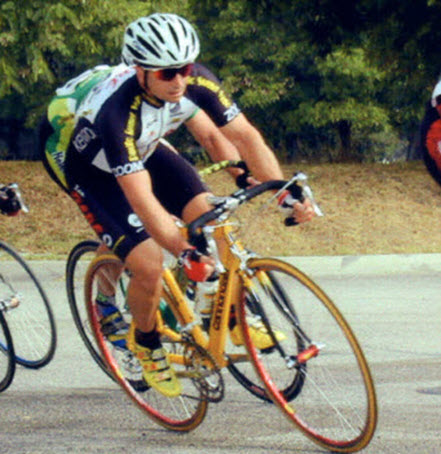
JAMES HICKMAN
James Hickman is a former Expert coach with USA Cycling who coached cyclists across all skill levels, from CAT 2 racers to intermediate and beginning riders. He also served as a coach for the Leukemia and Lymphoma Society’s Team In Training program, where he successfully trained individuals of varying abilities to complete century (100-mile) rides, combining his passion for cycling with meaningful community impact.
We are an Amazon affiliate and earn from qualified Amazon purchases with no cost to you. This is for ANY product that you purchase through our links
Optimize your training: Visit Base Training for volume strategies, then check Zone 2 for intensity guidance supporting nutritional protocols.